Introduction
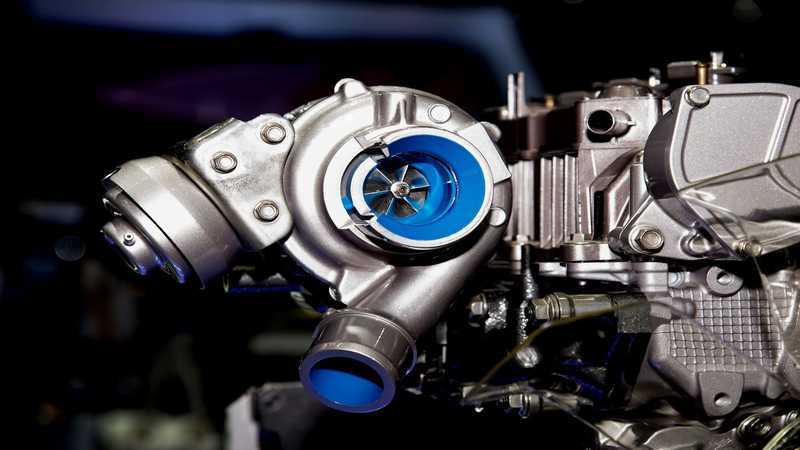
Tightening emissions regulations, the industry's push toward smaller and more fuel-efficient engines, and steady growth in commercial and off-highway equipment are keeping turbocharging at the center of engine design decisions worldwide. A turbocharger uses exhaust-driven energy to force more air into an engine's cylinders, allowing manufacturers to extract more power from smaller-displacement engines while cutting fuel consumption and CO2 output a combination that has kept the technology relevant even as the industry electrifies.
The global turbocharger market was valued at approximately USD 15.53 billion in 2025 and is projected to reach USD 23.83 billion by 2034, expanding at a compound annual growth rate (CAGR) of 5.3% over the forecast period, according to IMIR Market Research. Growth is being driven by continued engine downsizing, stricter emissions standards in both passenger and commercial vehicles, and rising demand for turbocharged engines in agricultural and construction machinery.
The competitive landscape blends large diversified automotive and industrial conglomerates with specialist turbocharger manufacturers that have built deep expertise in variable geometry, electric boosting, and actuation technology. Because turbochargers must be precisely engineered for each engine platform and meet exacting durability and emissions requirements, the market rewards suppliers that combine deep thermodynamic and materials engineering with long-standing OEM relationships.
Understanding which companies lead this technically demanding market is essential for OEMs, tier-one suppliers, and aftermarket players alike. This article provides a research-based analysis of the top companies in the global turbocharger market, their positioning, flagship offerings, and the regional and technological forces shaping the competitive landscape.
Competitive Landscape
The global turbocharger market is moderately consolidated, spanning pure-play turbocharging specialists such as Garrett Motion, diversified automotive suppliers such as BorgWarner and Continental (through its former automotive electronics business, now Aumovio), and diversified industrial conglomerates such as Cummins, IHI, Mitsubishi Heavy Industries, and Toyota Industries that build turbochargers alongside broader engine and machinery portfolios.
Engineering Depth as a Barrier to Entry: Turbocharger design requires precise matching to each engine platform's thermodynamic and durability requirements, favoring established suppliers with decades of OEM validation experience and large-scale manufacturing capability.
Specialization vs. Diversification: Specialists like Garrett Motion compete on singular focus and deep turbocharging IP, while diversified players like BorgWarner, Cummins, and IHI compete on the ability to bundle turbochargers with adjacent engine, thermal, or electrification systems.
Electrification Reshaping Product Roadmaps: Suppliers are increasingly investing in electric boosting, eBoosters, and fuel-cell compressor technology to stay relevant as OEMs hybridize powertrains, rather than relying solely on conventional exhaust-driven turbocharging.
Heavy-Duty and Industrial Demand as an Anchor Market: Given steady demand from commercial vehicles, agricultural and construction machinery, and industrial gensets, companies with strong relationships in these segments, such as Cummins and IHI, hold a structural advantage in capturing large, recurring order volumes.
Regional Analysis
Asia-Pacific
Asia-Pacific is the largest and fastest-growing regional market, underpinned by China's position as the world's largest vehicle producer and India's rapidly expanding passenger and commercial vehicle manufacturing base, both of which continue to scale turbocharged engine production.
Europe
Europe remains a mature but technologically demanding market, driven by some of the world's strictest emissions standards and a large base of turbocharged diesel and gasoline passenger vehicles, sustaining steady replacement and next-generation platform demand.
North America
North America represents a steady market supported by fuel-economy and emissions standards for light and heavy commercial vehicles, along with strong demand for turbocharged diesel engines in trucking, agriculture, and construction equipment.
Latin America, Middle East, and Africa
These regions represent smaller but developing markets, with demand tied to growing commercial vehicle fleets, agricultural mechanization, and gradual tightening of vehicle emissions standards.
Emerging Trends in the Turbocharger Market
- Electric and Hybrid Boosting: Electrically assisted turbochargers and eBoosters are increasingly being paired with hybrid powertrains to eliminate turbo lag and improve efficiency, extending the relevance of boosting technology into electrified vehicle architectures.
- Variable Geometry Turbine (VGT) Adoption: VGT systems are gaining share over simpler waste-gate designs as OEMs seek finer control over boost pressure to meet tightening emissions and fuel-economy requirements.
- Expansion into Industrial and Power Generation: Turbocharger suppliers are extending their technology into gensets, marine propulsion, and even data center power systems, turning engineering expertise built for vehicles into new industrial revenue streams.
- Twin-Turbo and Multi-Stage Systems: Twin-turbo and sequential turbocharging setups are growing in higher-performance and heavy-duty applications where a single turbocharger cannot deliver the required response and power across the full engine operating range.
- Aftermarket Digitization: Turbocharger manufacturers are investing in broader aftermarket distribution networks and digital diagnostics to capture replacement demand from an aging global commercial vehicle fleet.
Future Outlook (2025–2034)
The global turbocharger market's trajectory toward USD 23.83 billion by 2034 reflects the durability of internal combustion and hybrid powertrains across passenger, commercial, and industrial applications, even as full battery-electric adoption accelerates in certain regions. The 5.3% CAGR forecast through 2034 assumes continued tightening of emissions regulations, steady growth in commercial and off-highway vehicle production, and expanding use of electric boosting technology in hybrid architectures.
Key investment themes include continued growth in electric and hybrid boosting systems, expansion into industrial and power-generation applications, and steady aftermarket demand from a large global vehicle parc. Leading companies including Garrett Motion, BorgWarner, Cummins, and IHI are likely to retain strong market positions by combining deep engineering expertise with diversified end-market exposure, while specialist and regional players continue to compete for share as turbocharged engine production expands across Asia-Pacific.
Frequently Asked Questions (FAQ)
- What is the current size of the global turbocharger market?
The global turbocharger market was valued at approximately USD 15.53 billion in 2025 and is projected to reach USD 23.83 billion by 2034, growing at a CAGR of 5.3%.
- Who are the top companies in the turbocharger market?
Leading companies include Continental AG, Garrett Motion, Cummins, IHI Corporation, BMTS Technology, Weifang FuYuan Turbochargers, Mitsubishi Heavy Industries, Toyota Industries, Eaton Corporation, and BorgWarner.
- Which region dominates the turbocharger market?
Asia-Pacific leads the market and is expected to grow fastest, driven by China and India's large and expanding vehicle manufacturing bases.
- What is the forecast CAGR for the turbocharger market?
The market is forecast to grow at a CAGR of 5.3% from 2025 to 2034.
- What are the main growth drivers for this market?
Key drivers include continued engine downsizing, tightening emissions regulations, and rising turbocharged engine adoption in commercial and off-highway vehicles.
- What challenges does the turbocharger industry face?
The industry's main long-term challenge is the gradual shift toward battery-electric passenger vehicles in some markets, alongside the high engineering and validation costs required for each new engine platform.
- Which segment drives the most turbocharger demand?
Passenger cars remain the largest vehicle segment, but commercial vehicles, agricultural machinery, and construction machinery are significant and growing contributors to overall demand.
Conclusion
The global turbocharger market sits at the intersection of tightening emissions regulation and the automotive industry's ongoing push for smaller, more efficient engines. With a projected size of USD 23.83 billion by 2034 at a 5.3% CAGR, the sector offers steady growth potential for companies that can combine deep thermodynamic and materials engineering with the manufacturing scale to serve global OEM platforms.
Specialists like Garrett Motion compete on singular technology depth, while diversified players such as BorgWarner, Cummins, and IHI leverage broader engine, thermal, and electrification portfolios to win platform business. The companies that successfully extend turbocharging into electric boosting, hybrid architectures, and industrial power generation will define market leadership through 2034 and beyond.