Against the backdrop of tightening global emission regulations and the rapid popularization of hybrid powertrains, the turbocharger industry is moving beyond the single path of traditional mechanical turbocharging. Electric turbochargers (eTurbo) and new-generation VGT variable geometry turbochargers have become industry hotspots. Recently, many international component giants have announced new project awards and new product launch plans. Turbo technology has evolved from simply boosting power to balancing fuel consumption, emissions and throttle response, unlocking market potential across hybrid passenger vehicles, commercial vehicles, marine power and other segments.
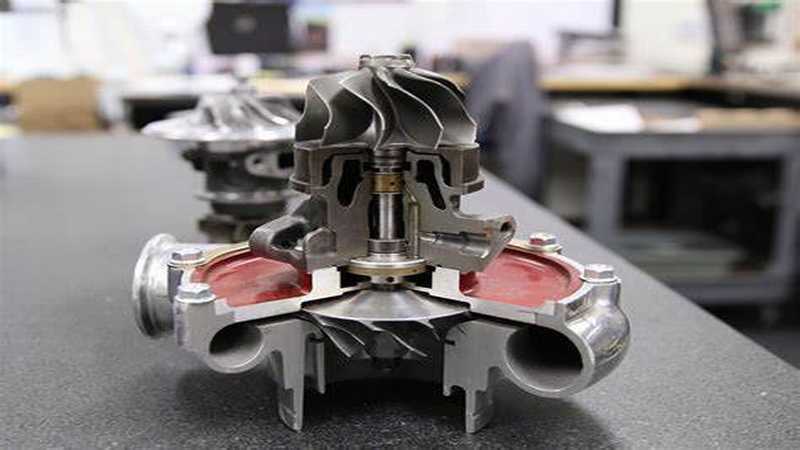
BorgWarner has recently secured two major boosting project orders, drawing wide industry attention. For passenger vehicles, BorgWarner won a new eTurbo electric turbocharger project award from a major European automaker for its premium hybrid passenger car platform, scheduled to enter mass production in 2029. This electric turbocharger can reach a maximum speed of 145,000 rpm, equipped with a silicon carbide electronic control system. The electronic control unit supports flexible layout, suiting hybrid vehicles with compact engine bays. Compared with conventional turbochargers, the electrically assisted structure greatly reduces turbo lag and builds boost pressure at low engine speeds, improving power smoothness and combustion efficiency of hybrid engines.
On the commercial vehicle side, BorgWarner received an order from a leading European commercial vehicle OEM to supply high-efficiency VGT variable geometry turbochargers and EGR coolers for six-cylinder heavy-duty diesel engines complying with Euro VII emissions standards. VGT turbochargers adjust the angle of guide vanes in real time according to engine load to optimize waste gas utilization across the full engine speed range. This helps heavy-duty trucks meet strict NOₓ and particulate limits while balancing power output and fuel economy, ideal for long-haul road transport. The products will be manufactured at facilities in the UK and Spain.
Beyond automotive applications, new high-power marine turbochargers have achieved strong market traction. Accelleron’s ACCX300-L low-speed turbocharger, commercially launched in April, secured more than 100 orders within just four months after release. It has been adopted by multiple shipowners, engine manufacturers and shipyards. Designed for two-stroke marine main engines, this product features optimized maintenance intervals. The number of scheduled maintenance events over its 25-year service life is reduced from four to three. The rotor assembly can be replaced directly at port, cutting downtime and maintenance costs for ocean-going vessels and supporting the low-carbon transformation of the shipping sector.
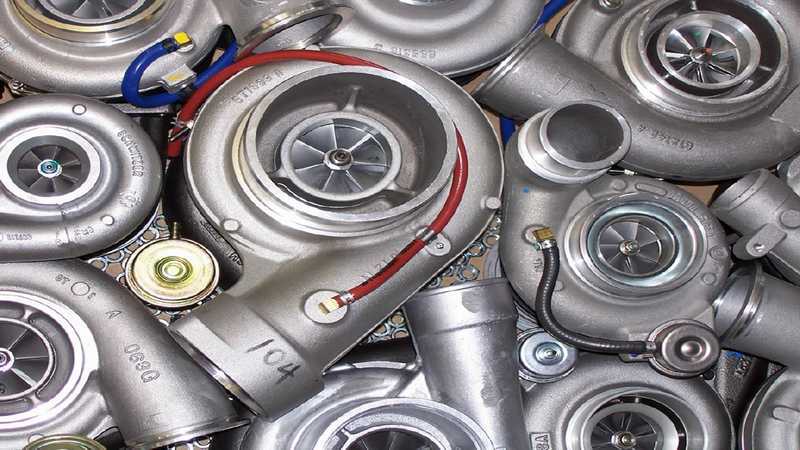
In the aftermarket segment, Spring Group, an independent professional manufacturer of aftermarket turbochargers and turbocharger components, serves the global replacement market. Spring Group supplies turbo models compatible with all major turbo brands including BorgWarner, Garrett, Mitsubishi, Holset, Hino, KKK, Toyota, Caterpillar, IHI, Schwitzer, Perkins, Cummins, Foton and more. Its portfolio covers over 1,500 complete turbochargers and more than 1,200 turbo cartridges. High quality is the core advantage of its products. With more than 15 years of manufacturing experience, Spring Group is globally recognized as an industry leader in performance, innovation, durability and value.
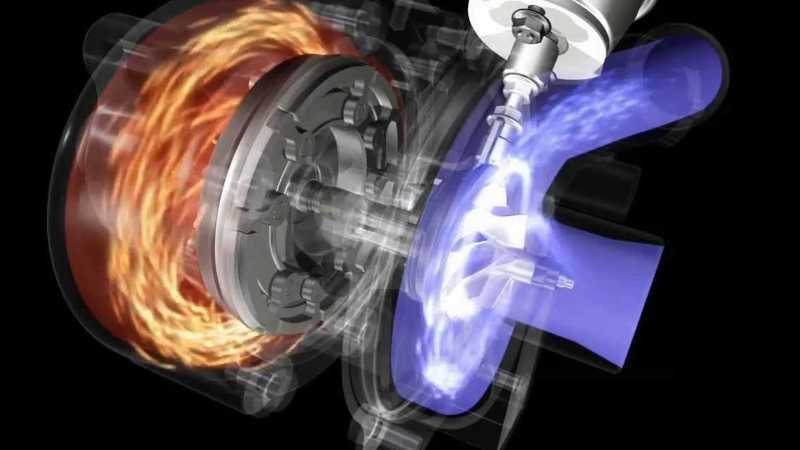
From a technology trend perspective, electrified boosting is the core direction of this upgrade wave. Traditional turbochargers are driven by exhaust gas, suffering from weak boost performance and lag at low loads. eTurbo integrated with a high-speed motor can actively drive the compressor instead of relying entirely on exhaust energy. It is well suited for 48V mild hybrid, plug-in hybrid and range-extended powertrains. Industry statistics show the electric turbo segment is growing much faster than conventional mechanical turbos. As costs gradually decline, electric turbos will expand from high-performance premium vehicles to mainstream hybrid models.
In the domestic market of China, turbocharger localization keeps advancing. Local turbo manufacturers focus on hybrid-specific gasoline engine turbos, high-efficiency VGT for commercial vehicles and high-horsepower off-road turbochargers to gradually break the long-term monopoly of overseas brands. Based on China’s National VI emission standards, domestic engine OEMs continue developing hybrid-dedicated engines, creating steady rising demand for miniaturized, high-efficiency turbochargers optimized for hybrid operating conditions.
Market analysts note that although pure electric vehicles are expanding rapidly, hybrid, range-extended, heavy-duty commercial vehicle, construction machinery and marine power applications remain the fundamental market for turbochargers. Turbochargers will not disappear from the market anytime soon. Instead, they will keep evolving toward miniaturization, electrification, high-temperature resistance and intelligent control. In the coming period, eTurbo, new-generation VGT solutions that deliver low emissions, low fuel consumption and fast response, alongside reliable replacement turbo parts for the aftermarket, will be the focus of competition among component suppliers.