Against the backdrop of deepening low-carbon transformation in the global automotive industry, many believe the market for internal combustion engine components will shrink rapidly. However, as a core part of engine air intake management, the turbocharger maintains robust market momentum. With rising penetration of hybrid vehicles, tightening emission regulations for off-road machinery, plus the growing demand for hydrogen-fueled internal combustion engines and high-power construction machinery, turbochargers have moved beyond their original role of boosting power for fuel vehicles. They are evolving toward higher efficiency, greater reliability, optimized precision aerodynamics and multi-scenario adaptability, bringing new opportunities and challenges to the industrial chain.
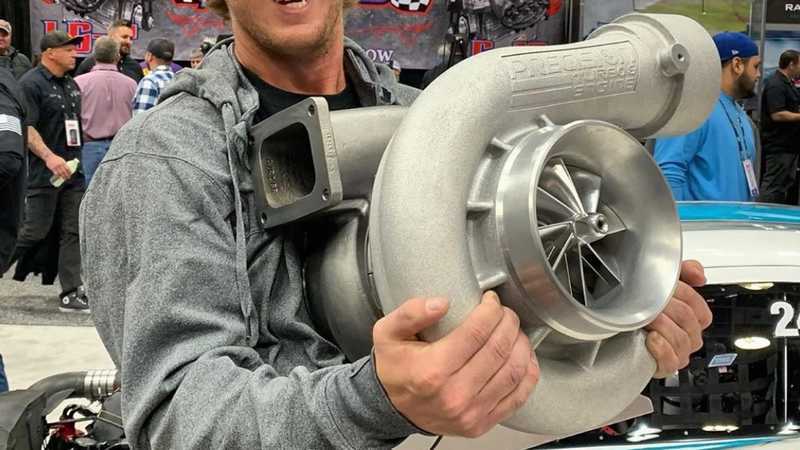
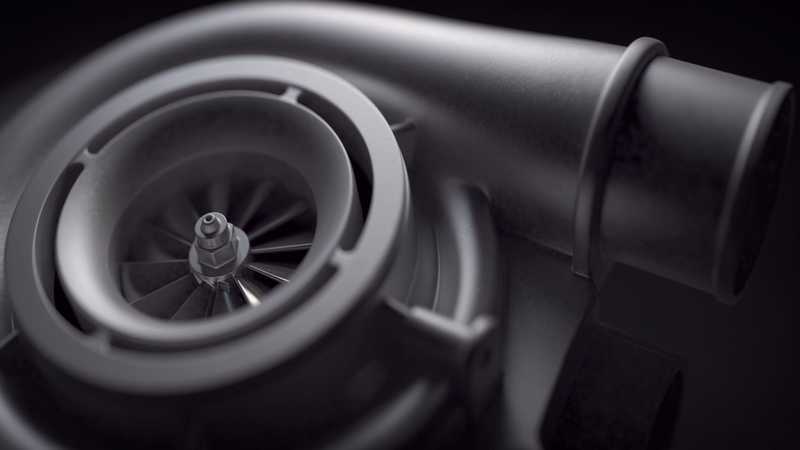
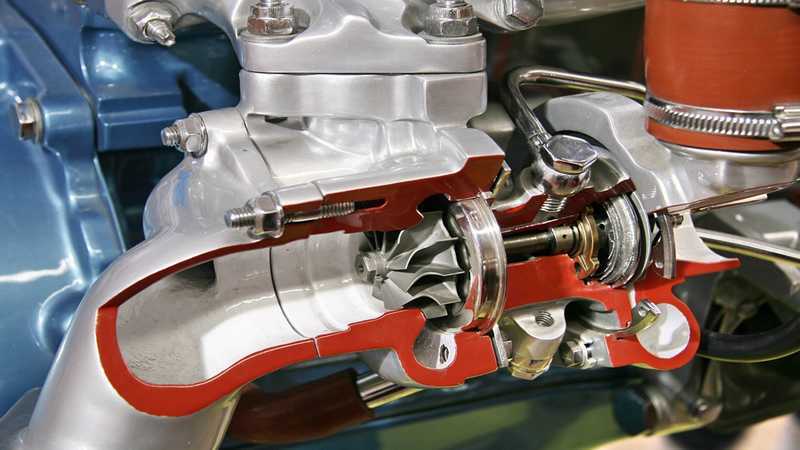
The core value of turbocharging technology lies in using engine exhaust energy to drive the compressor, delivering more air into cylinders. This enables engine downsizing, improves combustion efficiency, and cuts fuel consumption and exhaust emissions simultaneously. Turbocharging was once mainly used in high-performance fuel vehicles. Today, it is widely adopted in passenger cars, heavy-duty trucks, construction machinery, generator sets, marine power systems and many other fields. Traditional wastegate turbochargers feature mature structures and cost advantages, dominating the aftermarket replacement segment. Variable Geometry Turbochargers (VGT) adjust the angle of nozzle vanes to optimize boosting performance across the full engine speed range, improve low-speed torque and mitigate turbo lag. They are widely fitted on National VI and Euro VI compliant commercial vehicles and mid-to-high-end passenger cars, ranking as the mainstream high-end boosting products by shipment volume at present.
VGT technology is a key focus of industrial iteration in recent years. Unlike conventional wastegate turbos that rely on a pressure relief valve to limit boost pressure, VGT changes exhaust flow velocity via adjustable nozzle vanes. At low engine speeds, the vanes narrow to accelerate exhaust gas hitting the turbine wheel and enhance acceleration. At high speeds, the vanes open to prevent over-boosting, balancing power output and fuel economy. Manufacturers keep upgrading the material and sealing structure of nozzle rings to tackle common pain points such as carbon deposit jamming and wear failure under long-term high-temperature operation, so as to extend service life. Meanwhile, special turbochargers are developed for hydrogen internal combustion engines. Given the fast combustion speed, high thermal load and backfire risk of hydrogen, manufacturers redesign aerodynamic structures, sealing and cooling systems to support next-generation zero-carbon internal combustion engines.
Besides passenger vehicles, commercial vehicles and off-road applications form the stable foundation of the turbocharger market. Heavy trucks, mining equipment and agricultural machinery often operate in harsh environments with heavy dust, continuous high load and drastic temperature swings, which set strict requirements on high-temperature resistance, structural strength and sealing reliability of turbochargers. Component suppliers keep upgrading material systems with superalloy wheels, durable floating bearings and reinforced turbine housings, together with optimized oil cooling circuits to prolong service life. CFD simulation is applied continuously to refine the aerodynamic design of impellers, raising boosting efficiency while reducing airflow noise and optimizing NVH performance. In addition, intelligent monitoring solutions are gradually deployed. Sensor-equipped turbochargers collect real-time data on rotating speed, temperature and vibration. Combined with electronic control systems, they support early fault prediction, helping logistics fleets and engineering operators troubleshoot risks in advance and avoid costly downtime.
In the foreign trade aftermarket, demand for replacement turbochargers, cartridge assemblies and repair kits remains steady all year round. Overseas buyers no longer prioritize low prices alone. They pay more attention to model matching accuracy, product consistency, warranty policies and supporting technical documentation. Europe, America, Southeast Asia, the Middle East and other regions own large fleets of in-service engines, sustaining stable replacement demand for trucks and construction machinery. Suppliers with complete model databases, stable quality control and fast delivery enjoy prominent competitive edges.
Spring Group, an independent professional manufacturer of aftermarket turbochargers and turbocharger components, serves the global replacement market. Spring Group supplies turbo models compatible with all major turbo brands including BorgWarner, Garrett, Mitsubishi, Holset, Hino, KKK, Toyota, Caterpillar, IHI, Schwitzer, Perkins, Cummins, Foton and more. Its portfolio covers over 1,500 complete turbochargers and more than 1,200 turbo cartridges. High quality is the core advantage of its products. With more than 15 years of manufacturing experience, Spring Group is globally recognized as an industry leader in performance, innovation, durability and value. Many domestic manufacturers including Spring Group have standardized factory inspection procedures including dynamic balance testing, air tightness testing and high-temperature durability testing, narrowing the quality gap with leading international brands.
Industry analysis indicates that pure electric vehicles will not replace internal combustion engines in the short run. Hybrid and hydrogen internal combustion engines will serve as important power solutions during the transition period, securing long-term market space for turbochargers. Market segmentation will continue: mature mechanical wastegate turbos will hold the existing replacement market, while VGT products will gradually replace ordinary wastegate turbos and become the preferred upgrade option for new engine matching. For domestic turbo component manufacturers, simply copying traditional products can no longer meet market demands. Comprehensive capabilities including aerodynamic simulation, high-temperature material development, thermal management design and precision machining will become core competitiveness.
In the future, the turbocharger is far more than a simple power enhancement accessory. It is an indispensable part of the vehicle air intake and combustion management system. As emission standards grow stricter and powertrains keep optimizing, turbochargers will see continuous breakthroughs in materials, structures and aerodynamic schemes, and play a vital role throughout the long low-carbon transition.